Thinking about moving just north of Austin where you can balance commute, budget, and weekend fun? Round Rock might be the right fit. You get established neighborhoods, big parks, and a strong employer base, all inside the Austin–Round Rock metro. In this guide you’ll learn how the city is laid out, what homes cost, how the commute works, where the parks and attractions are, and how Round Rock compares with nearby suburbs. Let’s dive in.
Why Round Rock is on the shortlist
Round Rock sits in Williamson County, directly north of Austin. The 2020 census counted 119,468 residents inside city limits, and city planning pages show ongoing growth since then. You can confirm the baseline population on the U.S. Census QuickFacts for Round Rock.
- Location: I‑35 corridor with quick access to SH‑45 and SH‑130.
- Employers: Dell Technologies’ corporate presence anchors the local job base, with healthcare systems and education adding stability.
- Lifestyle: Old Settlers Park, Dell Diamond, Kalahari Resort, and shopping hubs give you plenty of weekend options.
For city population details, see the U.S. Census QuickFacts for Round Rock (119,468 in 2020): U.S. Census QuickFacts.
Neighborhoods at a glance
Below are the major areas most buyers consider, plus what they mean for commute and daily life. Round Rock Independent School District (RRISD) serves most neighborhoods citywide; district ratings and attendance boundaries vary by campus and area.
Downtown/Old Round Rock
- What it’s like: Historic Main Street, local restaurants, and older homes on smaller lots near the walkable core. The city highlights downtown’s cultural investment and historic character. Learn more on the city’s preservation page: Historic preservation highlights.
- Commute notes: Quick access to I‑35 for trips south to Austin; off‑peak drives into central Austin are often in the 25 to 35 minute range, longer in peak congestion.
- Schools: Served by RRISD. Check the district’s attendance maps for the exact campus by address.
Southern neighborhoods/Stony Point area
- What it’s like: Established subdivisions with parks and mid-size single‑family homes. Streets and landscaping are mature.
- Commute notes: South‑oriented commuters reach I‑35 quickly; toll connectors can help if you work east of the corridor.
- Schools: Served by RRISD, including feeder zones around Stony Point High. Verify attendance areas directly with the district.
La Frontera/Tech Ridge/eastern corridor
- What it’s like: Mixed‑use centers, office parks, hotel/conference venues, and newer housing options, including some townhomes and condos near commercial hubs.
- Commute notes: Strong for Domain, North Austin, and Round Rock employers because of proximity to I‑35 and toll road links.
- Schools: Generally RRISD. Always confirm campus assignments for each subdivision or condo community.
North side/newer master‑planned communities
- What it’s like: New construction with community pools, trails, and HOA amenities. Larger floorplans and builder warranties are common.
- Commute notes: Access to I‑35 for Austin trips, with SH‑130 as an alternative for east‑side routes.
- Schools: RRISD serves most of the city, but check boundaries and programs by campus before you buy.
Home types and price ranges
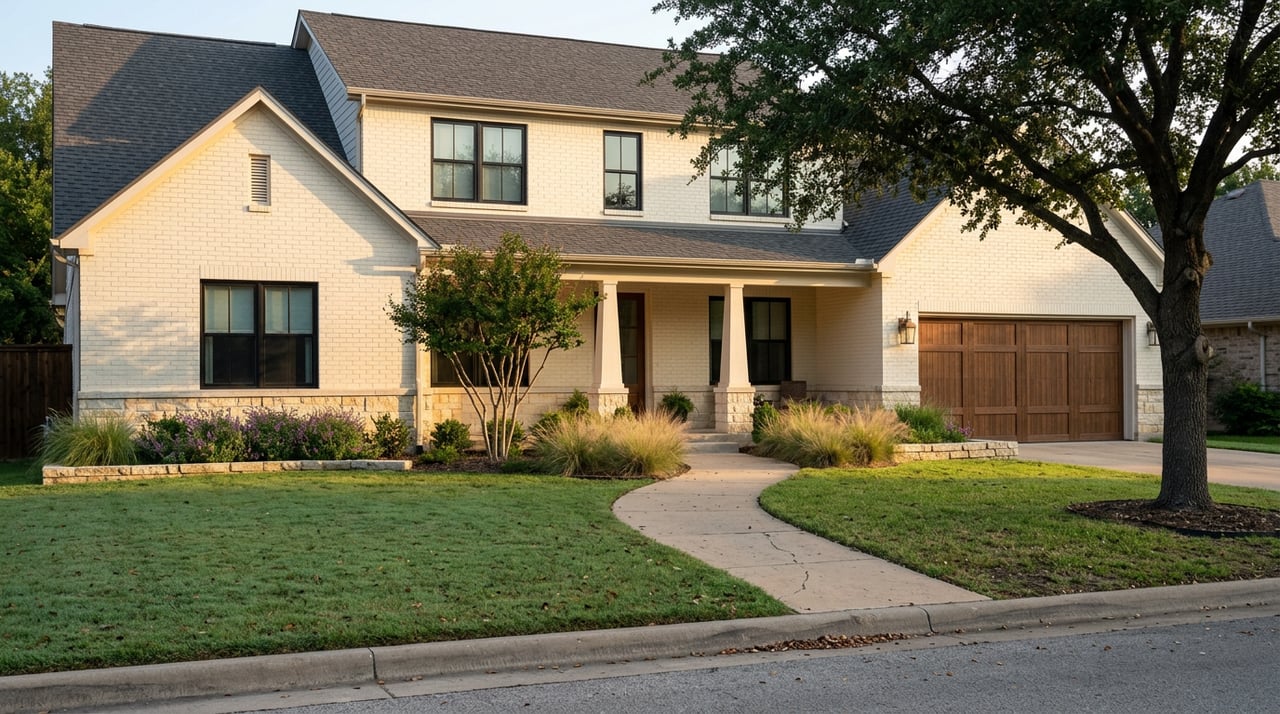
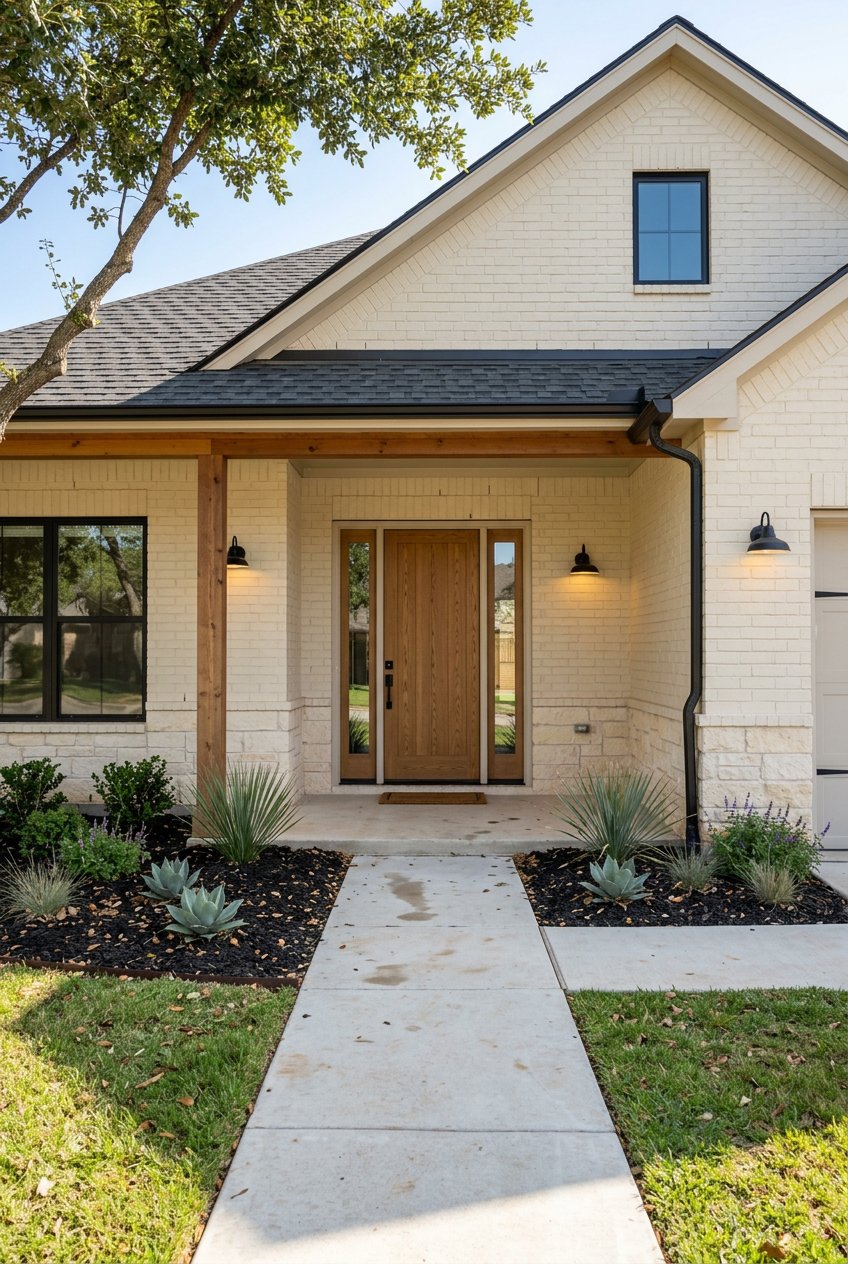
- Typical stock: Mostly single‑family detached homes across all eras. You will also find some duplexes, townhomes, and limited condo options near mixed‑use centers.
- Lot size and age: Older neighborhoods near downtown offer smaller lots and architectural character. Newer areas on the city’s edges offer larger lots and modern layouts.
- Price snapshot: Recent market trackers have placed the citywide median sale price in the low to mid $400,000s, with late‑2024 to 2025 snapshots around 410,000 to 415,000. Prices shift by neighborhood, home age, lot size, and condition. Use current MLS data for week‑by‑week accuracy.
If you want a side‑by‑side of newer versus older areas and how incentives compare, the city’s planning pages can help frame where growth is headed: Round Rock long‑range planning and demographics.
Commute and transportation
Round Rock is car‑centric, and commute planning matters. Here is what to know:
- I‑35 is the spine: Off‑peak drives to central Austin commonly run about 25 to 35 minutes. Peak congestion can be much longer. TxDOT’s I‑35 Capital Express studies document recurring slowdowns and ongoing improvements: TxDOT I‑35 Capital Express technical report.
- Toll roads as alternates: SH‑45 and SH‑130 can outperform I‑35 depending on your origin, destination, and time of day.
- Transit options: Capital Metro maintains park‑and‑ride facilities with commuter and express routes that serve Round Rock and connect to Austin job centers. You can scan park‑and‑ride locations and commuter resources here: CapMetro Park & Ride. There is no heavy commuter rail stop inside Round Rock; Leander and Lakeline stations serve the Leander/Cedar Park area.
Tip: If you commute daily to downtown Austin, compare a drive against a park‑and‑ride plus express bus. If you work near the Domain or North Austin, focus on neighborhoods with fast access to I‑35 and SH‑45.
Schools and education
RRISD serves most of Round Rock with multiple comprehensive high schools. Recent district‑level accountability results placed RRISD in the B range under the Texas A–F system. You can read local coverage here: Community Impact on RRISD rating.
What to do next:
- Verify the school that serves your specific address using RRISD attendance resources.
- Compare campus programs, such as AP, IB, or early‑college options, which differ by school.
For continuing education and workforce training, the area benefits from nearby campuses, including Austin Community College’s Round Rock site.
Parks, trails, and weekend fun
Round Rock is known for its park system and event venues:
- Old Settlers Park is the flagship, with multi‑field sports complexes, trails, playgrounds, and the Rock’N River water playground. The city has a multi‑year plan for upgrades to meet growing demand. Details: Old Settlers Park.
- Brushy Creek and neighborhood parks add daily walking and biking options.
- Entertainment and shopping: Dell Diamond, Kalahari Resort & Convention Center, Round Rock Premium Outlets, and La Frontera create convenient activity hubs. See the area overview in the city’s visitor guide: Round Rock Visitor Guide.
Local tip: Tournament weekends and big events can create busy traffic near Old Settlers Park, Dell Diamond, and Kalahari. Plan errands and showings with that in mind.
Employers and job market
Round Rock’s economy is anchored by technology, healthcare, education, and hospitality:
- Dell Technologies maintains a major corporate presence in Round Rock.
- Healthcare systems and RRISD add regional stability.
- Mixed‑use centers at La Frontera and the broader Tech Ridge area support professional services and office employment.
- Hospitality and retail hubs such as Kalahari, the outlet mall, and event venues generate seasonal and part‑time roles.
For a snapshot of employer sectors referenced in local and regional planning, see this market context document: Employer and economic overview.
Round Rock vs. Georgetown vs. Cedar Park
Trying to narrow down your shortlist? Here are the quick contrasts many movers use:
- Location and commute: Cedar Park sits northwest of Austin and is typically closer to Leander/Lakeline rail and the Domain. Georgetown is farther north with a classic courthouse‑square downtown and a longer average commute to central Austin than Round Rock. Round Rock often lands in the middle, with big‑city amenities and a central I‑35 position.
- Schools and community feel: All three areas have strong public‑school options at the district and campus level. Round Rock stands out for its sizable parks and established employer base.
- Housing and price: All three saw price growth in recent years. Round Rock’s median has trended in the low to mid $400,000s in recent market snapshots. Exact comparisons change month to month, so use up‑to‑the‑minute MLS data when you are ready to buy.
Which neighborhood fits your goals?
Use this quick matcher to focus your search:
- Shorter Austin commute: Look near I‑35 and SH‑45 access points. The La Frontera/Tech Ridge corridor positions you well for the Domain, North Austin offices, and Round Rock employers. Consider park‑and‑ride plus express bus for downtown commutes: CapMetro Park & Ride.
- Walkable dining and events: Shop Old Town/Downtown for character homes and short hops to Main Street. See the city’s downtown heritage page: Historic preservation highlights.
- Newer homes and amenities: Explore the north‑side master‑planned communities for larger floorplans, community pools, and builder warranties. City planning pages outline where growth is trending: Long‑range planning.
- Close to parks and sports: Proximity to Old Settlers Park makes tournament weekends and events easy. Start with the park overview: Old Settlers Park.
Practical buyer tips for Round Rock
- Time your commute test: Drive your preferred route at both peak and off‑peak to feel the I‑35 difference. Review the congestion context here: TxDOT I‑35 Capital Express technical report.
- Plan for busy weekends: Expect extra traffic near Old Settlers Park, Dell Diamond, Kalahari, and the Premium Outlets during big events. The area attractions list is here: Round Rock Visitor Guide.
- Verify schools early: RRISD attendance boundaries vary by neighborhood, and program offerings differ by campus. Confirm boundaries and offerings before you write an offer. District rating context: Community Impact on RRISD rating.
- Budget with real numbers: Median price is a helpful guide, but negotiate using current neighborhood comps. Ask for a live MLS snapshot and any builder incentives that may affect new‑construction pricing.
Ready to compare neighborhoods, floorplans, and commute tradeoffs with a local advocate? Reach out to Chappell Realty Group for neighborhood guidance, on‑the‑ground pricing, and a plan that fits your goals.
FAQs
What should a first‑time buyer know about Round Rock pricing?
- Recent market trackers place Round Rock’s citywide median sale price in the low to mid $400,000s, but prices vary by neighborhood, age, and lot size; ask for a current MLS report before you set your budget.
How long is the commute from Round Rock to downtown Austin?
- Off‑peak, many drivers report about 25 to 35 minutes; peak times can be significantly longer due to I‑35 congestion, so compare a drive with park‑and‑ride express options: CapMetro Park & Ride and review congestion context from TxDOT.
Does Round Rock have public transit to Austin job centers?
- Yes. Capital Metro provides park‑and‑ride facilities with commuter and express routes serving Round Rock; there is no heavy commuter rail station in Round Rock today, so most riders use express buses or vanpools: CapMetro Park & Ride.
Which public schools serve Round Rock neighborhoods?
- Most of the city is served by Round Rock ISD, which recently received a district‑level B rating under the state system; always verify your specific address and campus offerings with district tools and campus pages: RRISD rating coverage.
What are the main parks and attractions in Round Rock?
- Old Settlers Park, Brushy Creek trails, Rock’N River water playground, Dell Diamond, Kalahari Resort & Convention Center, and Round Rock Premium Outlets are local highlights: Old Settlers Park and the Round Rock Visitor Guide.
Are there condos or townhomes in Round Rock?
- There are some near mixed‑use centers like La Frontera and along commercial corridors, but the housing stock is predominantly single‑family detached homes; your options will vary by neighborhood and inventory at the time you shop.