If you are selling a home in MorningStar, you are not just competing with other resale homes in Georgetown. You are also competing with active builder inventory inside the same community and with listings in nearby neighborhoods. That can feel like a lot, but it also gives you a clear path: price smart, present well, and tell the right story from day one. Let’s dive in.
Why MorningStar requires a local strategy
MorningStar is not a one-size-fits-all neighborhood. It is an active master-planned community in Georgetown’s 78628 area, with roughly 800 acres and about 1,600 homes at completion. The community is still growing, with a final addition that adds more than 500 lots and a third amenity center.
That matters because buyers looking at your home may also be touring brand-new inventory nearby. Official community information shows active builder options from Meritage and Saratoga, with pricing that ranges from the mid-$300,000s into the $500,000s and up. In other words, your pricing and marketing need to work against real neighborhood competition, not just broad Georgetown averages.
Understand the market before you list
The bigger market has shifted from the fast-paced pandemic years. In Williamson County, the March and Q1 2026 Unlock MLS report showed 4.6 months of inventory and a 92.7% average close-to-list price ratio. That points to a market where buyers have options and negotiation is more common.
Georgetown data tells a similar story. Public market trackers vary on exact numbers, but they consistently show a slower and more negotiable market than peak years, with more homes for sale and longer time on market. Realtor.com also labels Georgetown as a buyer’s market, and in ZIP code 78628 it reports a median listing price of $525,000 with 52 median days on market.
For you, the takeaway is simple: buyers are comparing carefully, and overpricing can cost you time and leverage. A strong launch still matters, but it has to be grounded in current neighborhood realities.
Price from MorningStar comps
One of the biggest mistakes sellers make is leaning too heavily on citywide averages. MorningStar sits in the 78628 pocket, which can behave differently from Georgetown as a whole. Your home should be priced against recent neighborhood comps, current resale competition, and active builder inventory inside MorningStar.
This is especially important because builders are still offering quick move-ins and model home experiences. If a buyer can compare your resale home to a new home in the same community, your list price has to make sense quickly. The goal is not just to be on the market. The goal is to look like the best value for what you offer.
Position your resale against new construction
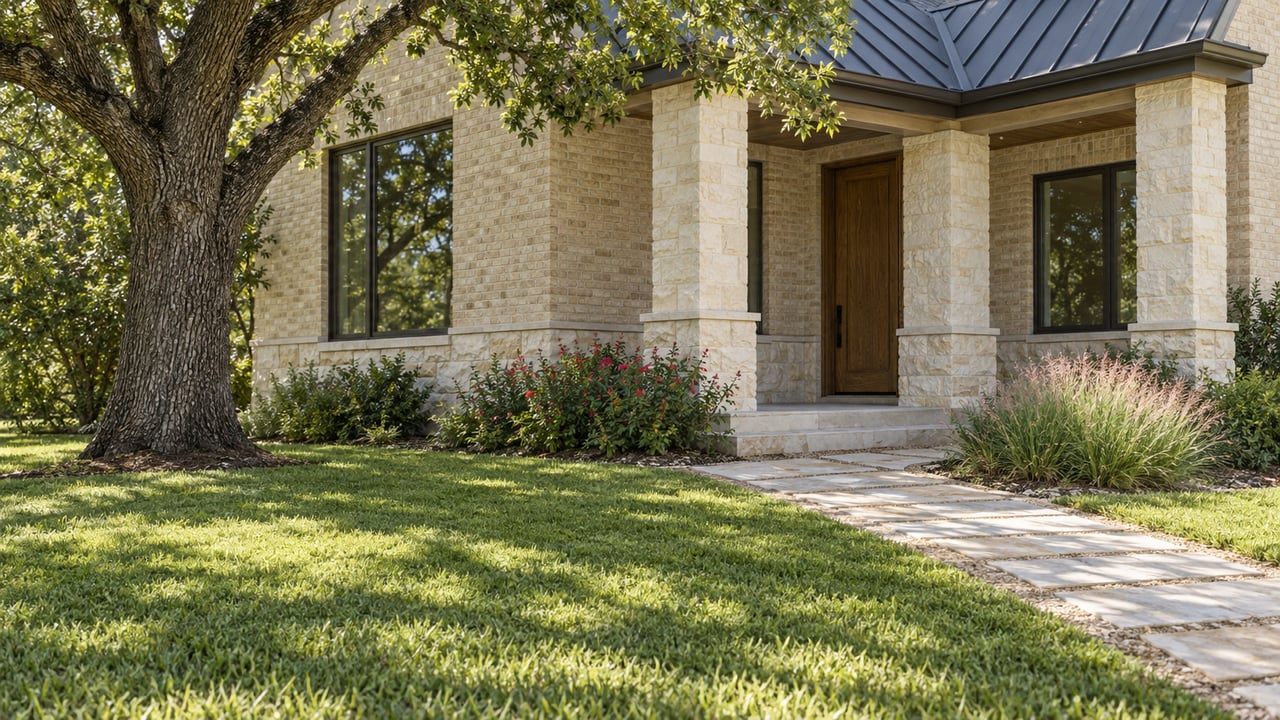
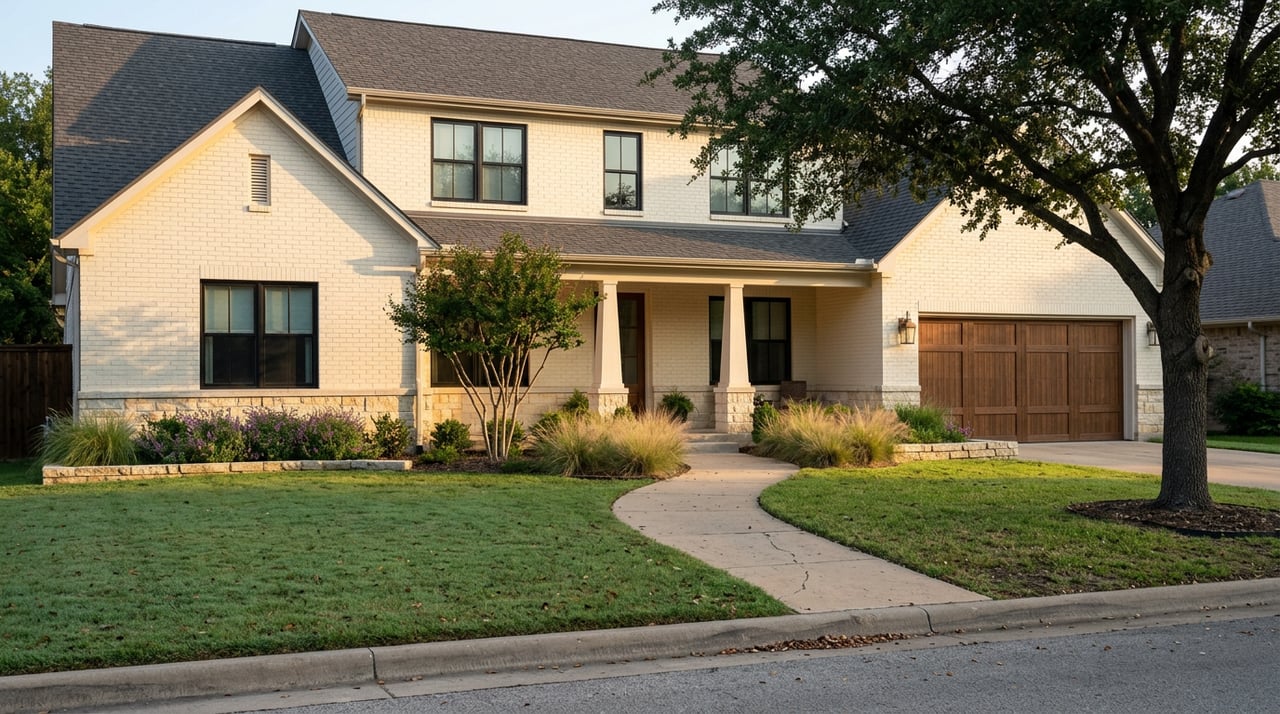
A resale home can absolutely stand out in MorningStar. Buyers may value immediate occupancy, established landscaping, upgraded finishes, or a completed backyard over waiting for a new build. Those features can be meaningful if they are presented clearly and priced correctly.
That means your marketing should answer a buyer’s quiet question: Why choose this home instead of a builder home? If your home offers move-in-ready convenience, a more finished outdoor space, or improvements already completed, those points should be easy to see in the photos, remarks, and showing experience.
Lead with payment clarity
In MorningStar, monthly cost matters almost as much as price. Official community information lists a total tax rate of 2.866714%, plus HOA dues of $633.60 per year outside ARIA and $1,531.75 per year inside ARIA. The higher ARIA dues cover gate maintenance and monthly front-yard maintenance.
For buyers, that means the full payment picture matters. For sellers, it means clear prep around taxes and HOA information can help reduce friction. When buyers understand the cost structure early, they can compare your home more confidently.
Gather key documents before launch
Before your home goes live, it helps to have practical details ready. In a market where buyers are taking their time, clean documentation supports trust and smoother decision-making.
Consider preparing:
- Current HOA information
- ARIA or non-ARIA dues details, if applicable
- Property tax information buyers can verify through Williamson County resources
- A list of upgrades or recent improvements
- Any warranties or service records you can share
Highlight what buyers actually want in MorningStar
MorningStar has a strong built-in lifestyle story. Community materials emphasize Texas Hill Country scenery, nature-inspired design, trails, greenbelts, ponds, and outdoor gathering spaces. The neighborhood also features a resort-style pool, splash pad, open-air pavilion and fire pit, dog parks, hiking and biking trails, more than 75 acres of open space and greenbelts, a catch-and-release pond, disc golf, sports park, and multiple amenity centers.
Those features are not side notes. They are part of your resale value story. When buyers choose MorningStar, they are often choosing both the home and the community experience.
What to feature in your marketing
Your listing should connect your home to the broader appeal of the neighborhood. Strong marketing keeps the focus on what makes daily life convenient, enjoyable, and ready now.
Good points to feature may include:
- Access from Highway 29 or Ronald Reagan Boulevard
- Amenity centers and outdoor recreation
- Trails, greenbelts, and open space
- Pool, splash pad, and gathering areas
- Dog parks, sports park, and disc golf
- On-site preschool
- Liberty Hill ISD attendance
- The convenience of a move-in-ready resale
Keep the language factual and clear. You do not need hype when the neighborhood already offers a lot to talk about.
Stage for the MorningStar buyer
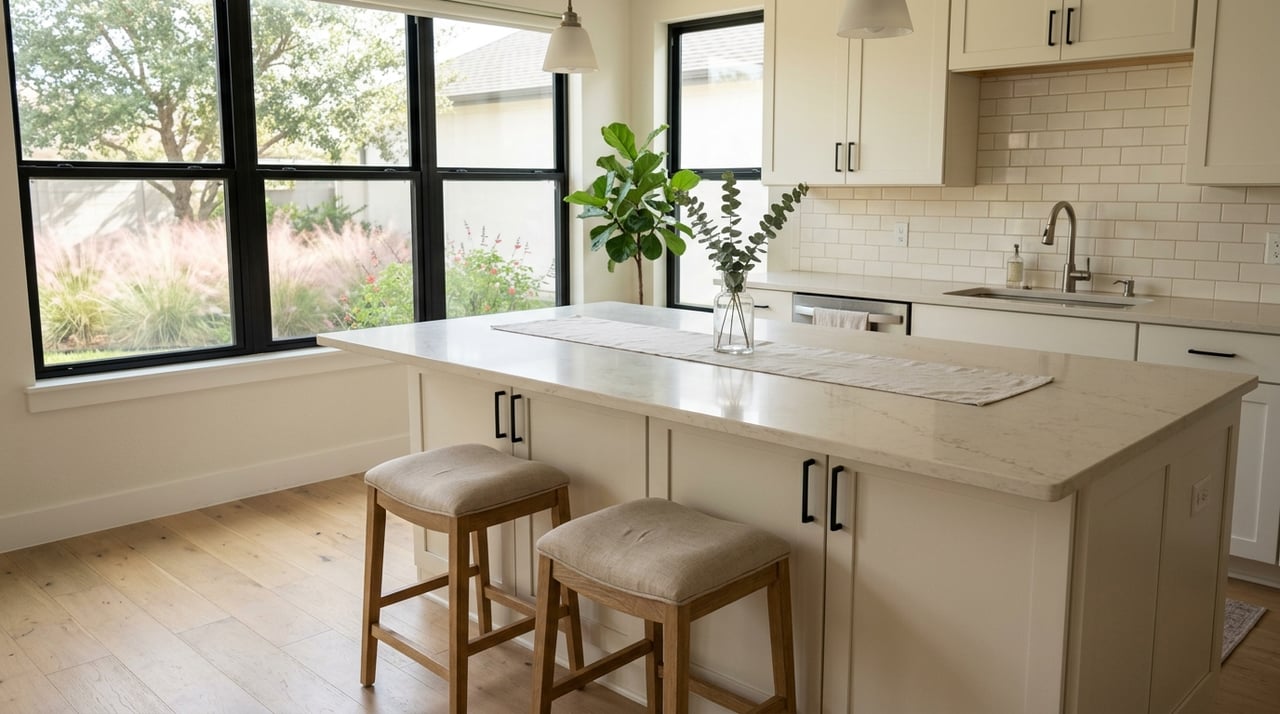
The best staging choices often match the setting buyers expect. MorningStar’s branding leans into Hill Country views, natural textures, and open, welcoming spaces. Your home should feel bright, calm, and easy to picture living in.
That does not mean a full redesign. In most cases, a clean, edited presentation works best, especially in online photos where first impressions happen fast.
Simple staging moves that support your sale
Focus on choices that reinforce warmth, space, and functionality:
- Use light neutrals and natural textures
- Clear extra furniture to open up main living areas
- Freshen patios and outdoor seating areas
- Keep counters and surfaces uncluttered
- Show flexible rooms in a clear, useful way
- Maximize natural light for photos and showings
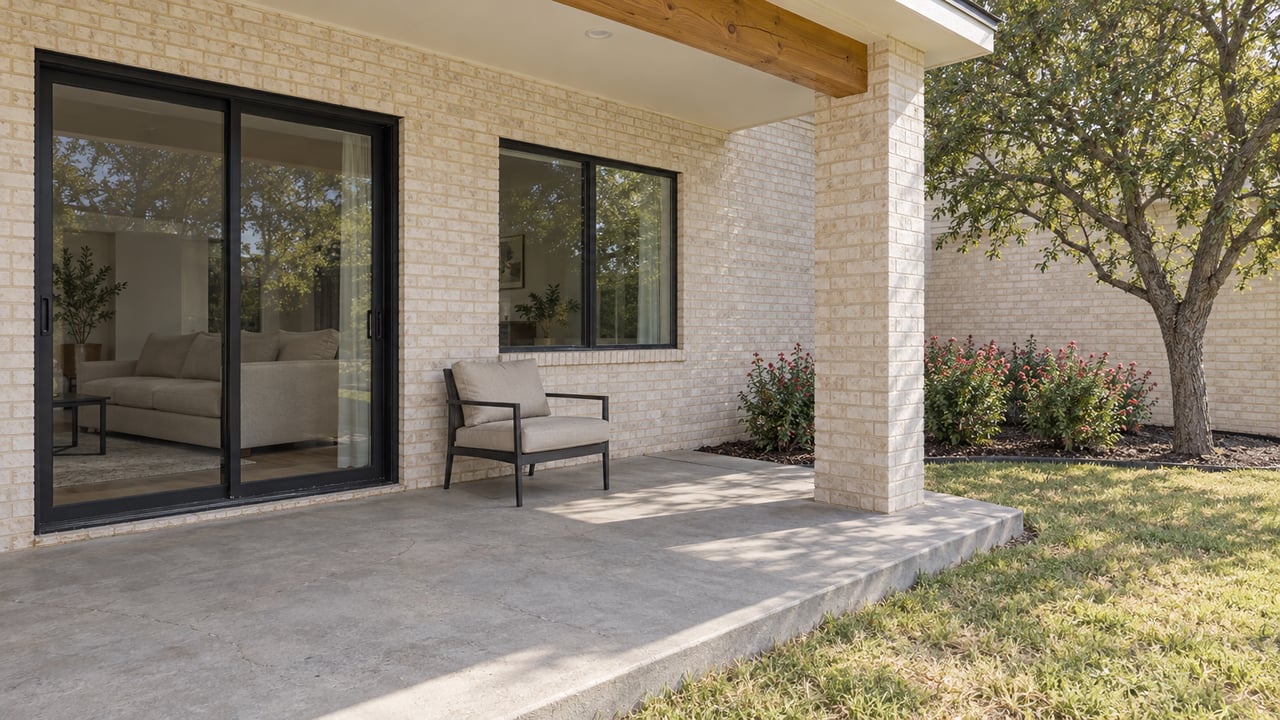
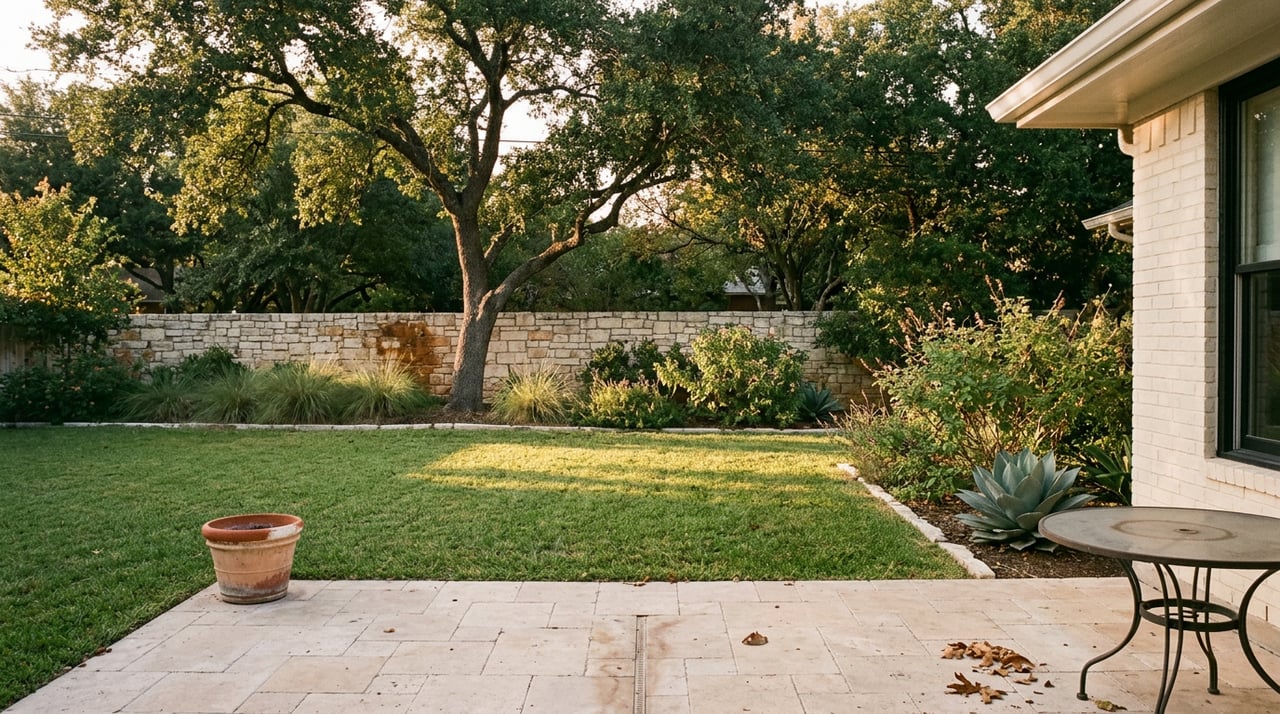
If your home has a finished backyard, shaded patio, or practical flex space, make sure those areas are presented with intention. In a community that emphasizes outdoor living and day-to-day comfort, those details can help buyers connect quickly.
Time your launch with preparation
Spring remains the strongest seasonal window in many markets, and current data supports that pattern here too. Realtor.com’s 2026 Best Time to Sell report identified April 12 through 18 as the national peak selling window, and Unlock MLS noted that March marked a clear shift to more typical activity with strong month-over-month gains in pending and closed sales.
Still, timing is not just about picking a date. A well-prepared launch usually beats a rushed one. If you plan to sell in the next 6 to 12 months, starting your prep 30 to 60 days before your target list date can put you in a better position.
A practical pre-listing timeline
Here is a simple way to think about your runway:
| Time Before Listing | Focus |
|---|---|
| 60 days out | Repairs, decluttering, document gathering |
| 30 days out | Staging plan, photography prep, pricing review |
| 1-2 weeks out | Final cleaning, touch-ups, marketing launch prep |
| Listing week | Go live with photos, pricing, and community story aligned |
Remember your real competition
MorningStar sellers are not only competing with homes inside the neighborhood. Georgetown inventory is spread across multiple active submarkets. Realtor.com’s neighborhood snapshot shows large numbers of homes for sale in places like Wolf Ranch and Sun City Texas, which means buyers often compare multiple communities during the same search.
That is one more reason generic marketing falls flat. A local strategy should explain why your home is a strong option within MorningStar and why MorningStar itself fits what a buyer wants right now. The more specific your positioning, the easier it is for buyers to see the value.
What a strong MorningStar sale looks like
In this market, success usually comes from a few things working together. Your home is priced from local comps, presented to reflect the community’s appeal, and launched with the right details ready upfront. That combination can help you avoid sitting on the market longer than necessary.
If you are thinking about selling, the smartest first step is not guessing at a number from a citywide average. It is building a neighborhood-specific plan around builder competition, buyer expectations, and the real strengths of your home. That is exactly where local guidance can make a difference.
If you want a plainspoken, neighborhood-specific plan for your MorningStar sale, schedule a free Georgetown market consult with Chappell Realty Group.
FAQs
How should you price a home in MorningStar, Georgetown?
- You should price from MorningStar neighborhood comps, current resale competition, and active builder inventory rather than relying only on Georgetown-wide averages.
Why do MorningStar sellers compete with new construction?
- MorningStar is still in build-out, with active inventory from builders including Meritage and Saratoga, so buyers may compare your resale home directly with new homes in the same community.
What MorningStar amenities should you mention when selling?
- Focus on factual community features such as the pool, splash pad, pavilion and fire pit, dog parks, trails, open space, pond, disc golf, sports park, amenity centers, on-site preschool, and Liberty Hill ISD attendance.
When is the best time to list a home in MorningStar?
- Spring is generally the strongest seasonal window, and current market reporting suggests you should begin prep 30 to 60 days before your planned listing date.
What costs should buyers know about in MorningStar?
- Buyers often want early clarity on the total tax rate, HOA dues, and whether a home is inside ARIA, since those costs can affect the monthly payment as much as the purchase price.
How can a resale home stand out in MorningStar?
- A resale home can stand out by showing ready-now value, such as immediate occupancy, established landscaping, completed outdoor spaces, and upgraded finishes that buyers can enjoy right away.